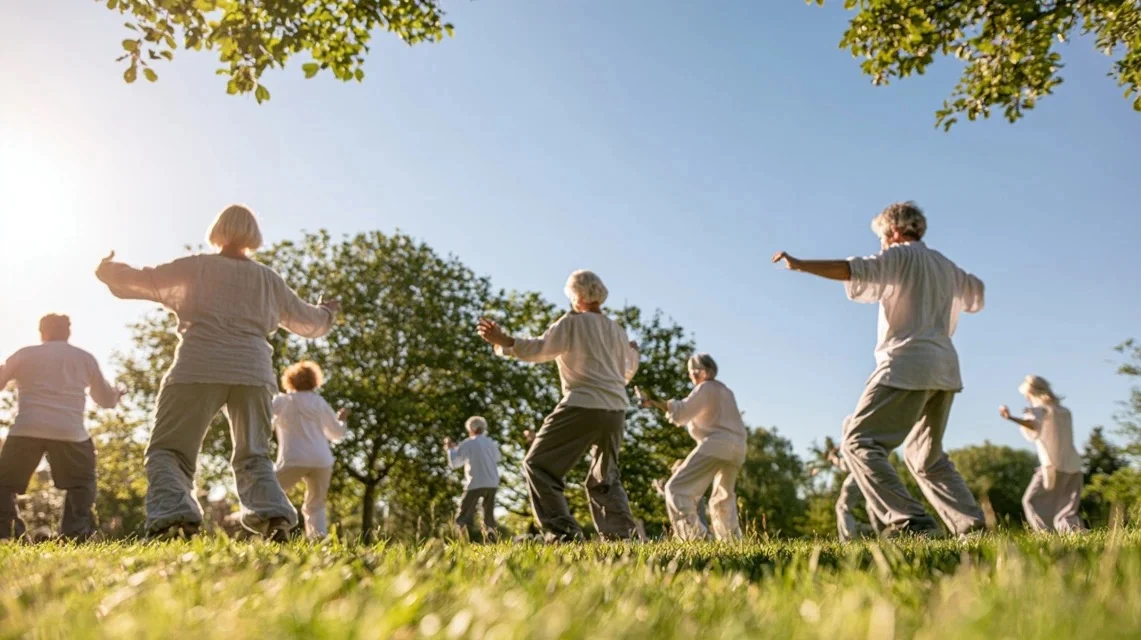
A short walk after eating is one of the simplest ways to support your metabolic health.
It doesn't require equipment, a gym membership, or a complicated schedule.
Just a few minutes of movement after a meal can make a measurable difference in how your body handles blood sugar.
And it's one of our favorite habits because it fits into something you're already doing.
What happens when you eat
After a meal containing carbohydrates, your digestive system breaks many of those carbohydrates down into glucose.
That glucose enters your bloodstream, causing your blood sugar to rise.
In response, your pancreas releases insulin, a hormone that helps glucose move from your blood into cells where it can be used for energy or stored for later.
Blood sugar often rises most noticeably within the first hour or two after eating, although the timing varies depending on the meal and the person.
What changes when you walk
Your skeletal muscles are one of the largest places your body uses and stores glucose.
When those muscles contract, they activate pathways that help move glucose from your bloodstream into muscle cells, even without relying entirely on insulin.
That means walking gives your muscles an opportunity to use some of the glucose entering your blood after a meal.
The result: Post-meal walking can reduce the size of the blood sugar rise compared with remaining seated.
Research suggests that even relatively short periods of walking can make a difference.

Why it matters over time
One walk helps your body handle one meal.
But regular movement can have benefits that extend beyond that moment.
Physical activity improves insulin sensitivity, meaning your cells can respond more effectively to insulin.
Over time, consistent activity supports healthier blood sugar regulation and overall metabolic health.
A walk after a meal is not a replacement for other forms of exercise, but it can be a useful addition to them.
What it does for digestion
Gentle movement after eating may also help your digestive system.
Walking can support gastrointestinal motility, the movement of food through your digestive tract.
Some people find that an easy walk helps them feel more comfortable after a meal, particularly when they experience fullness or bloating.
The key is keeping it gentle.
Strenuous exercise immediately after a large meal can cause discomfort for some people, so a comfortable pace is usually the better choice.
Timing matters
You don't have to walk far to benefit.
Research suggests that walking relatively soon after eating can be particularly helpful for reducing post-meal glucose rises.
Starting within roughly 30 minutes is a practical option, although there is no single perfect window for everyone.
And even a few minutes can be worthwhile.
A five-minute walk is a good place to start. Ten or fifteen minutes is great if you have the time.
Can't head outside?
Walking around your home, doing light household chores, or moving around while cleaning up after dinner can still add activity to your day.
Making it a habit
The easiest habits are often the ones attached to something you already do.
Finish lunch, then take a short walk.
Clear the dinner table, then move around for a few minutes.
Step outside after breakfast before starting your day.
You don't have to do it after every meal, and missing a day doesn't erase the benefits.
The goal is simply to make movement a little more natural.
A few minutes after eating can support your blood sugar today while helping you build a healthier pattern over time.
Sources
- Reynolds AN et al. Advice to Walk After Meals Is More Effective for Lowering Postprandial Glycaemia in Type 2 Diabetes Mellitus Than Advice That Does Not Specify Timing. Diabetologia, 2016.
- Buffey AJ et al. The Acute Effects of Interrupting Prolonged Sitting Time in Adults with Standing and Light-Intensity Walking on Cardiometabolic Risk Markers: A Systematic Review and Meta-analysis. Sports Medicine, 2022.
- American Diabetes Association. Physical Activity/Exercise and Diabetes: A Position Statement of the American Diabetes Association.
- U.S. Department of Health and Human Services. Physical Activity Guidelines for Americans, 2nd Edition.
- Centers for Disease Control and Prevention. Benefits of Physical Activity.
This article is general health information, not medical advice. This site is published by Steap, the makers of Golden Glow tea. The tea pays for it. The articles are free.
Get the short version every week
Three articles, summed up in one email. Free.