Iron helps your body deliver oxygen where it's needed.
It sits at the center of hemoglobin, the protein in red blood cells that carries oxygen from your lungs to tissues throughout your body.
Your muscles also use iron in a protein called myoglobin, which helps store and supply oxygen during activity.
Iron supports many other processes too, including energy production and normal immune function.
When iron levels become too low, fatigue, weakness, and difficulty concentrating can develop. Iron deficiency anemia can also cause shortness of breath and reduced exercise tolerance.
But getting enough iron isn't only about how much you eat. It's also about how much your body absorbs.
Two kinds of iron
Iron in food comes in two main forms.
Heme iron is found in animal foods such as meat, poultry, and fish. Your body generally absorbs this form more efficiently.
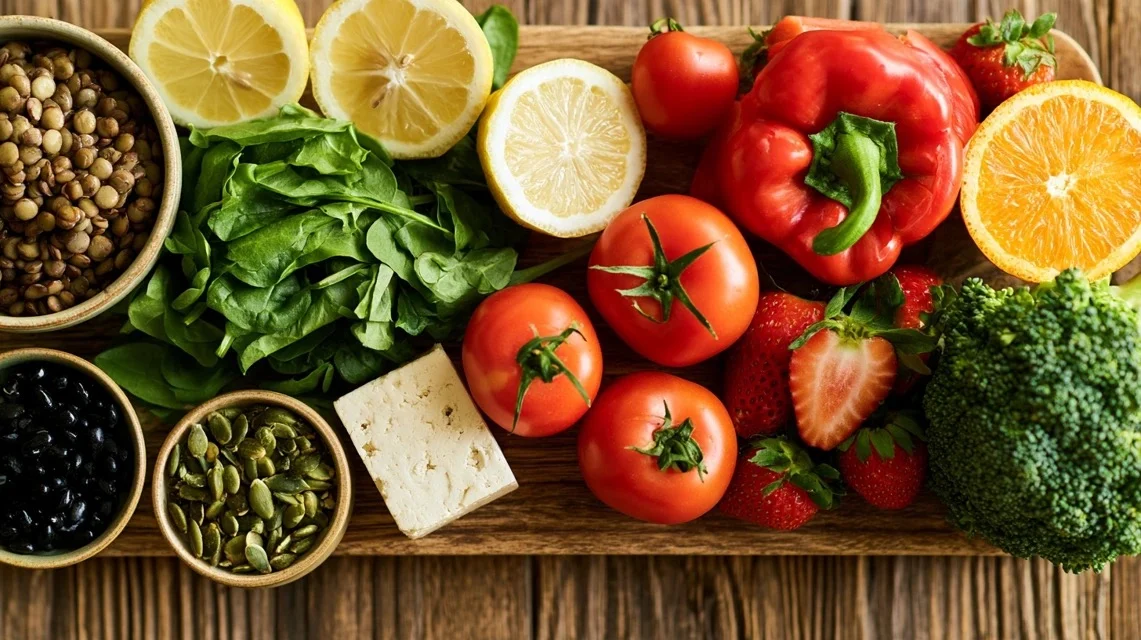
Non-heme iron is found in plant foods such as lentils, beans, tofu, spinach, pumpkin seeds, and fortified cereals. It is also present in animal foods.
Non-heme iron is more sensitive to other components of a meal, which can either increase or decrease how much your body absorbs.
That's where vitamin C becomes especially useful.
Where vitamin C comes in
Vitamin C helps your body absorb non-heme iron by converting it into a form that is easier to take up in the small intestine.
It can also help keep iron soluble during digestion, making more of it available for absorption.
The effect can be meaningful, particularly in meals built around plant foods.
And the simplest way to benefit is to include a source of vitamin C in the same meal as your iron-rich food.
Food pairings that work together
You don't need supplements or complicated recipes to make this happen.
Lentils with lemon or tomatoes. Lentils provide non-heme iron, while lemon and tomatoes contribute vitamin C.
Spinach with bell peppers. Spinach contains iron, and red bell peppers are particularly rich in vitamin C.
Beans with fresh salsa. Beans provide iron, while tomatoes, peppers, and lime juice can add vitamin C.
Oatmeal with strawberries. Oats contain some iron, and strawberries provide vitamin C. Iron-fortified oatmeal or cereal can be another useful option.
Tofu with broccoli. Tofu can be a source of iron, and broccoli provides vitamin C, making them a natural combination in a stir-fry.
Meat, poultry, and fish can also enhance the absorption of non-heme iron when included in a mixed meal.
The bigger idea is simple: nutrients often work better together.
What can get in the way
Some foods and beverages contain compounds that reduce the absorption of non-heme iron when consumed together.
Tea and coffee contain polyphenols that can bind to non-heme iron during digestion, reducing how much is absorbed from a meal.
This doesn't mean tea or coffee are unhealthy, or that everyone needs to avoid drinking them with food.
For people who have low iron levels or are at greater risk of iron deficiency, enjoying tea or coffee between meals rather than alongside iron-rich meals may help improve absorption.
Phytates, naturally found in legumes, whole grains, nuts, and seeds, can also reduce non-heme iron absorption. However, these foods provide many valuable nutrients and remain important parts of a balanced diet.
Pairing them with vitamin C-rich foods is one practical way to support iron absorption without removing them from your meals.
Another useful kitchen trick
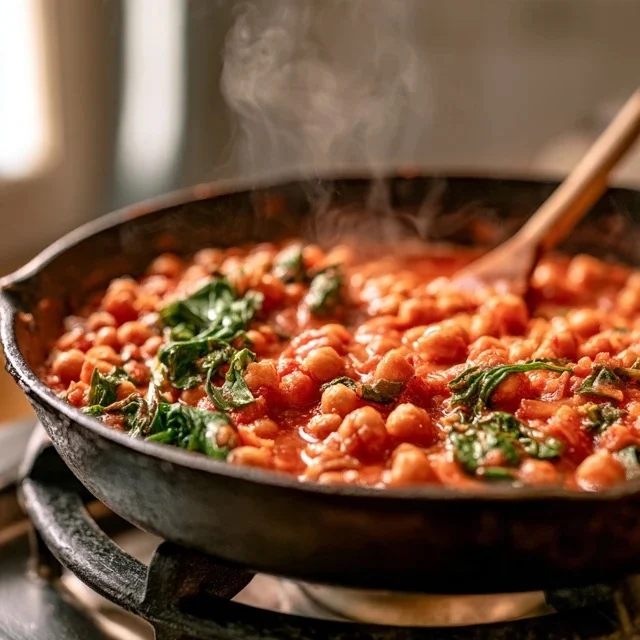
Cooking in cast iron cookware can increase the iron content of certain foods.
The effect depends on the food, cooking time, and cookware. Moist, acidic dishes such as tomato sauce may pick up more iron than dry foods cooked briefly.
It's a useful bonus, although not a reliable replacement for getting enough iron through your diet.
Getting enough
You don't need to calculate the iron and vitamin C content of every meal.
Start with a few simple combinations.
Add lemon to lentils.
Include bell peppers or tomatoes with beans.
Top iron-fortified cereal with berries.
Serve tofu with broccoli or another vitamin C-rich vegetable.
If you have diagnosed iron deficiency, dietary changes alone may not be enough. A healthcare professional can help determine the cause and whether supplementation is needed.
Good nutrition isn't just about individual nutrients.
It's also about how the foods on your plate work together.
Sometimes, a squeeze of lemon can help your body get more from a meal you're already eating.
Sources
- National Institutes of Health, Office of Dietary Supplements. Iron Fact Sheet for Health Professionals.
- National Institutes of Health, Office of Dietary Supplements. Vitamin C Fact Sheet for Health Professionals.
- National Institutes of Health, Office of Dietary Supplements. Iron Fact Sheet for Consumers.
- Hurrell R, Egli I. Iron Bioavailability and Dietary Reference Values. American Journal of Clinical Nutrition, 2010.
- Lynch SR, Cook JD. Interaction of Vitamin C and Iron. Annals of the New York Academy of Sciences, 1980.
This article is general health information, not medical advice. This site is published by Steap, the makers of Golden Glow tea. The tea pays for it. The articles are free.
Get the short version every week
Three articles, summed up in one email. Free.